WWF AUSTRALIA
Conserving Endangered Biodiversity
Conserving Endangered Biodiversity
We all know the cute ones, but the others are disappearing.
Australia is home to more than 1,800 threatened species but conservation attention tends to favour the familiar: the animals people already know and love.
MEK created a campaign to shift that attention, putting lesser-known endangered species into the public consciousness.
We all know the cute ones, but the others are disappearing.
Australia is home to more than 1,800 threatened species but conservation attention tends to favour the familiar: the animals people already know and love.
MEK created a campaign to shift that attention, putting lesser-known endangered species into the public consciousness.
We all know the cute ones, but the others are disappearing.
Australia is home to more than 1,800 threatened species but conservation attention tends to favour the familiar: the animals people already know and love.
MEK created a campaign to shift that attention, putting lesser-known endangered species into the public consciousness.
How do you make people care about
animals they've never seen or heard of?
How do you make people care about animals they've never seen or heard of?
How do you make people care about
animals they've never seen or heard of?
WWF needed to broaden the appeal of conservation beyond familiar species. The challenge was to make lesser-known endangered species compete for attention in a crowded landscape dominated by cute wildlife imagery.
The campaign needed to make people care about species they've never heard of, without relying on their cute appeal.
WWF needed to broaden the appeal of conservation beyond familiar species. The challenge was to make lesser-known endangered species compete for attention in a crowded landscape dominated by cute wildlife imagery.
The campaign needed to make people care about species they've never heard of, without relying on their cute appeal.
WWF needed to broaden the appeal of conservation beyond familiar species. The challenge was to make lesser-known endangered species compete for attention in a crowded landscape dominated by cute wildlife imagery.
The campaign needed to make people care about species they've never heard of, without relying on their cute appeal.
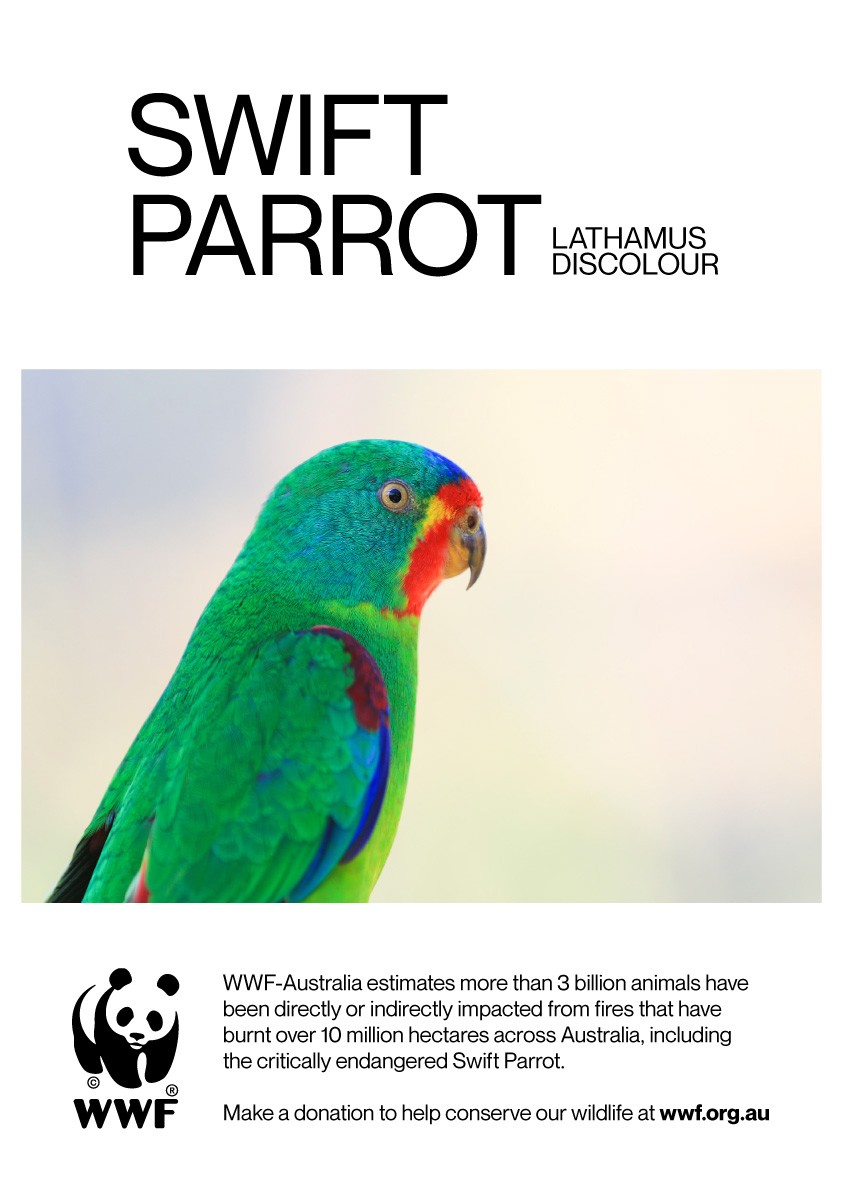
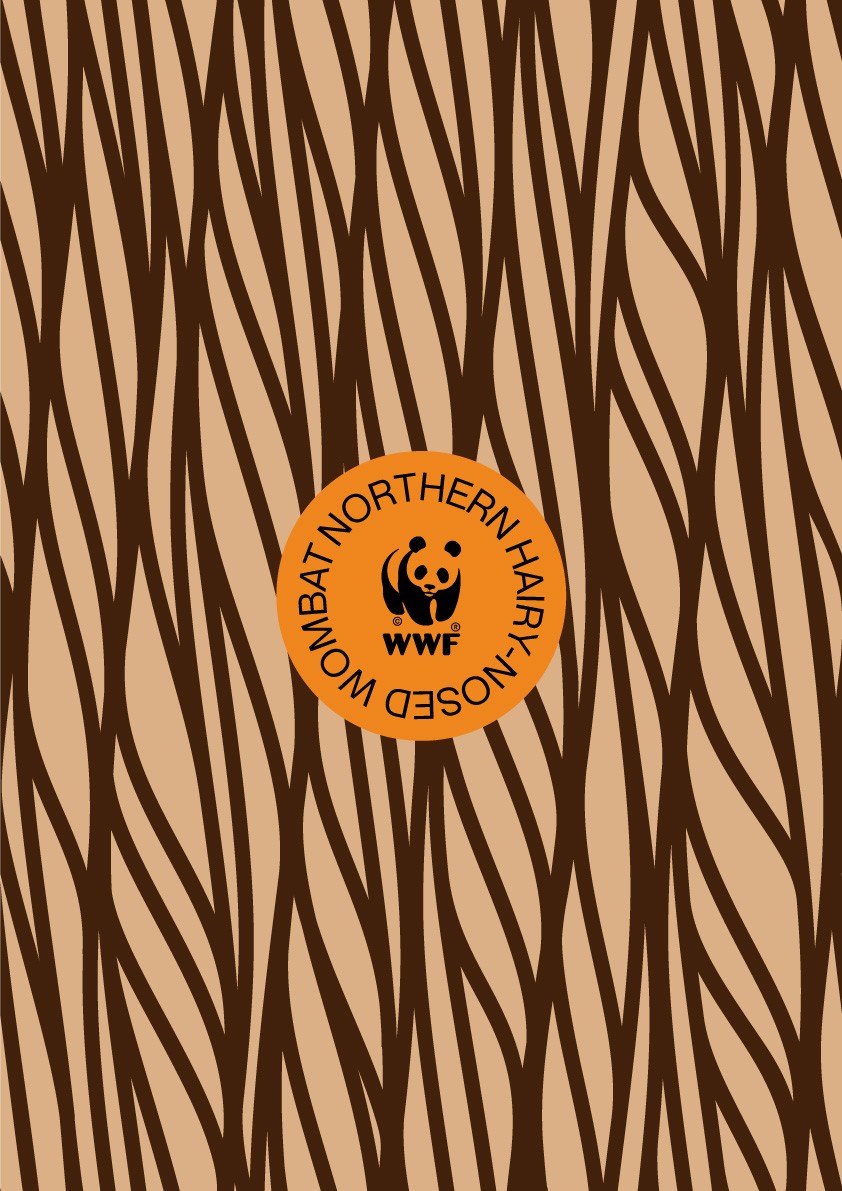
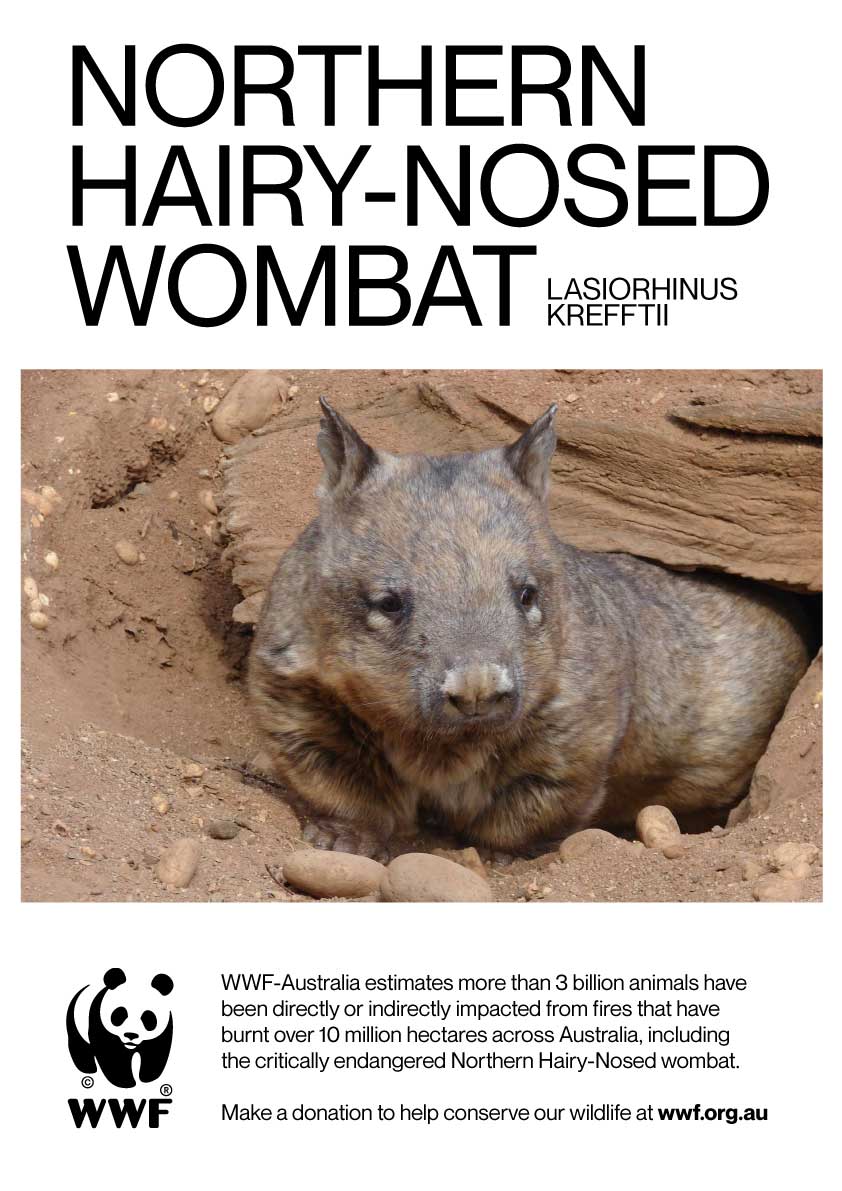
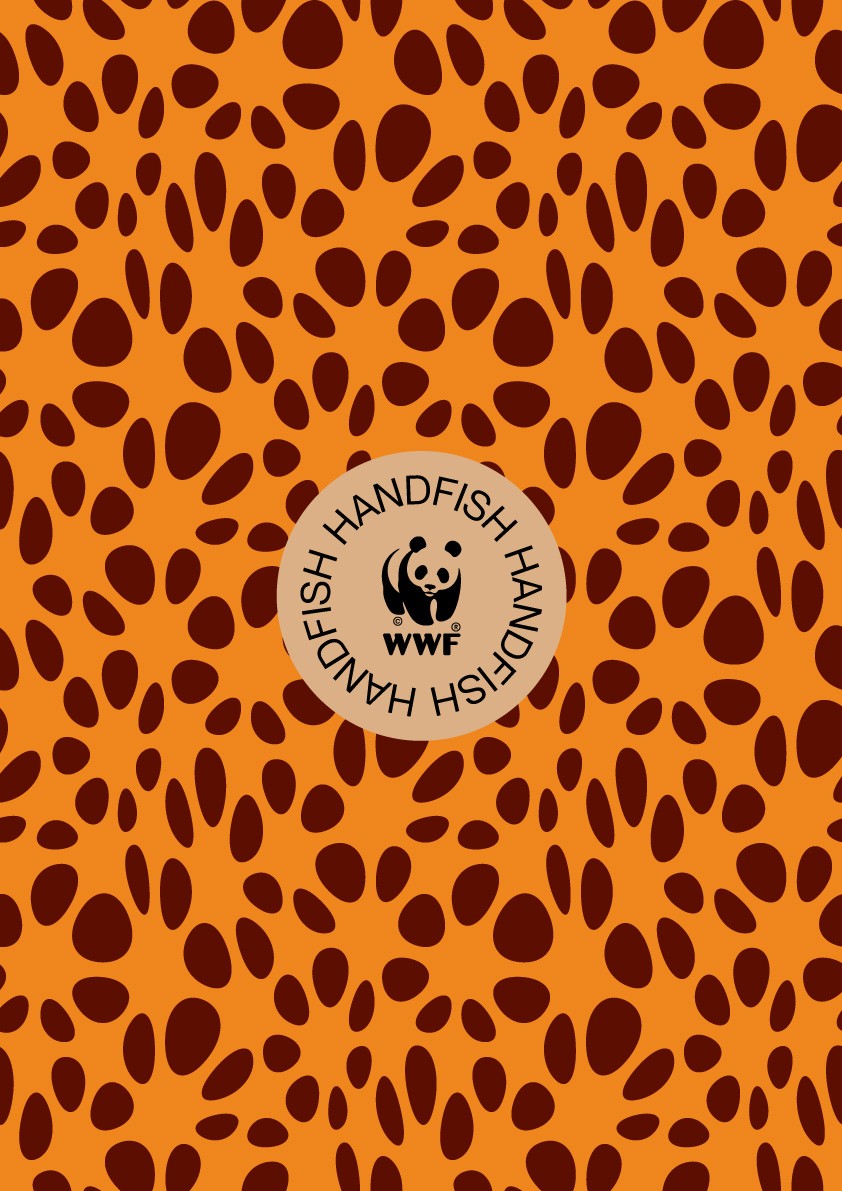
Making the unfamiliar unforgettable
Making the unfamiliar
unforgettable
Making the unfamiliar
unforgettable
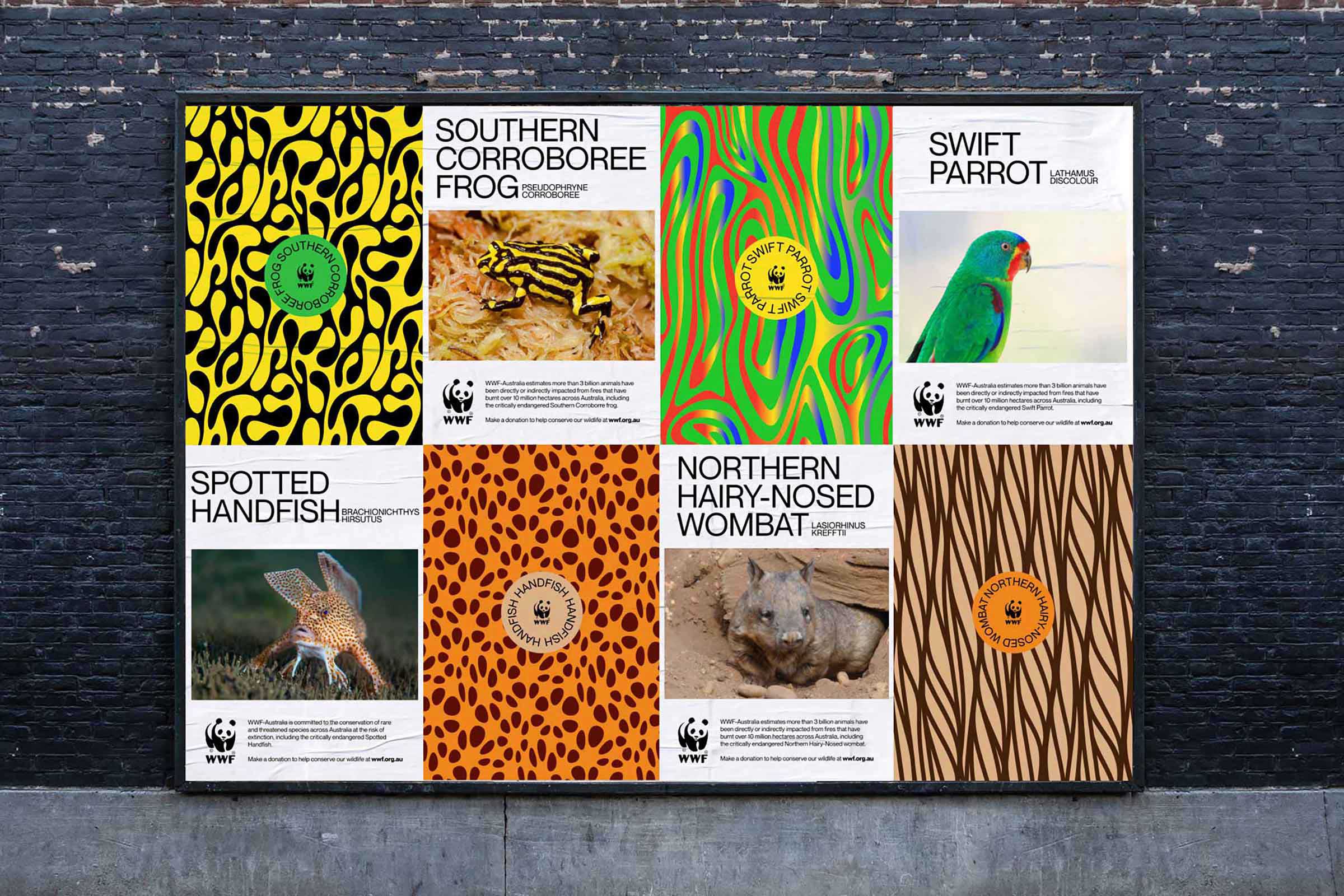
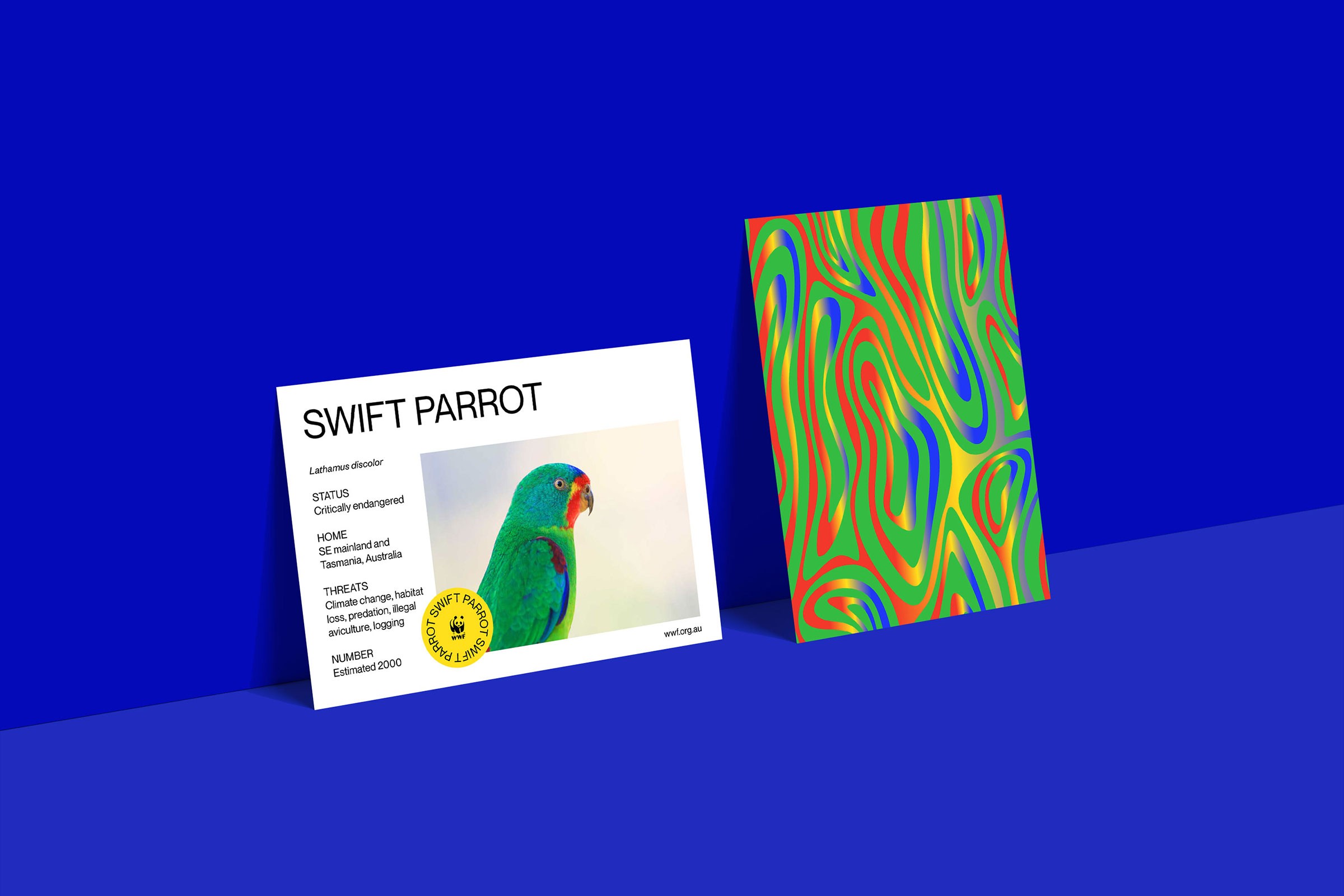
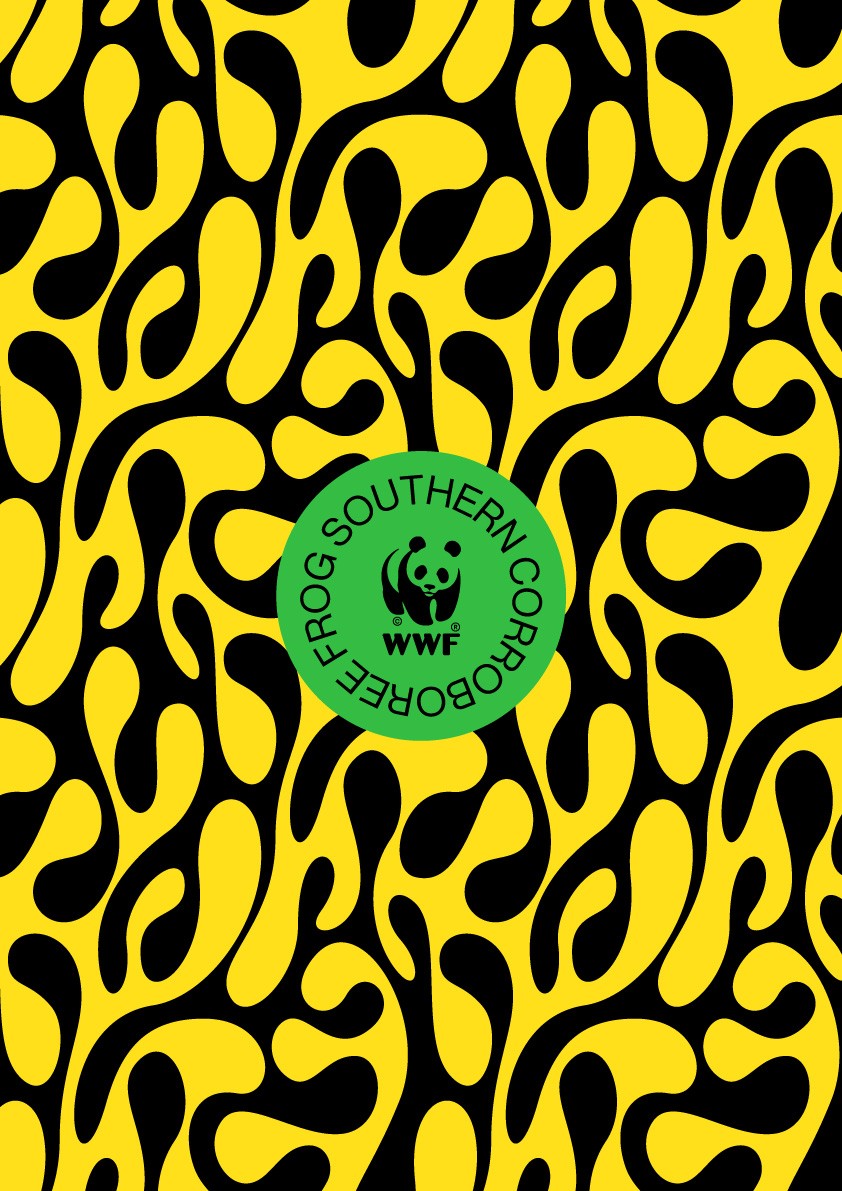
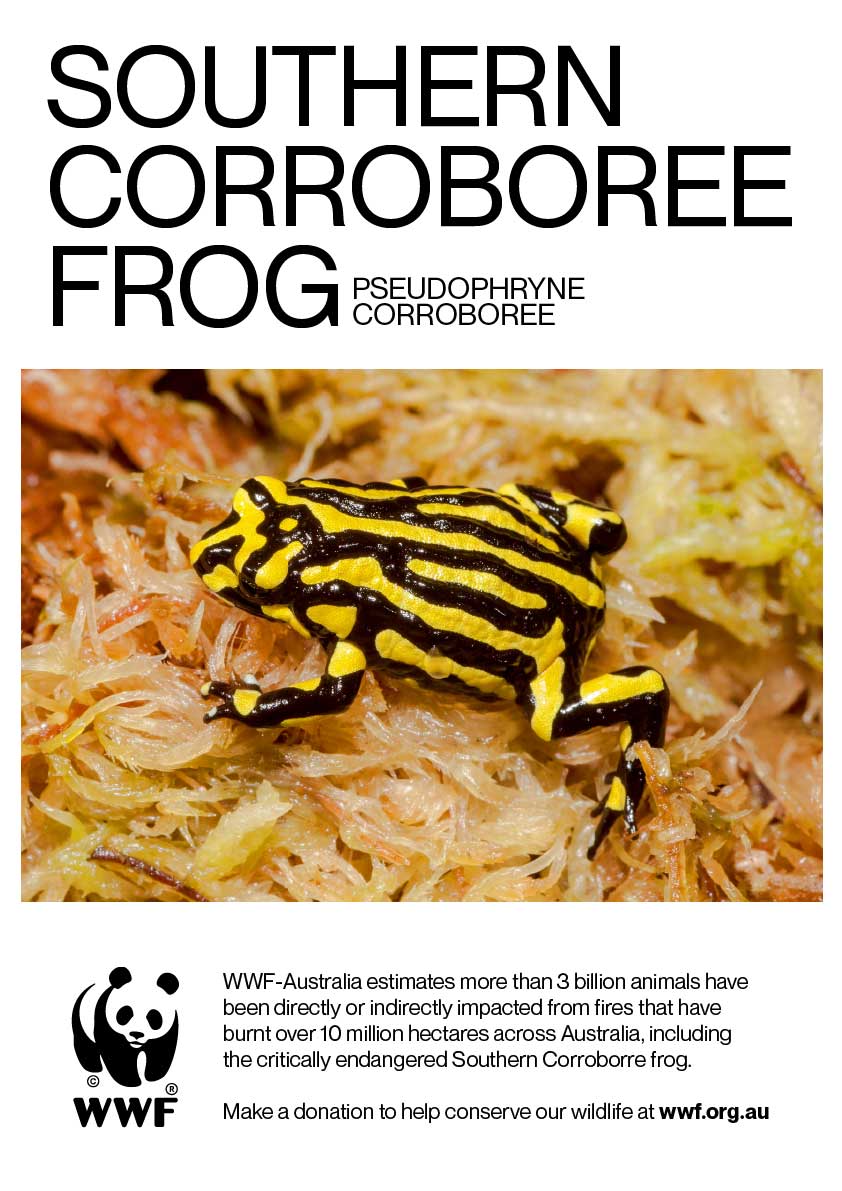
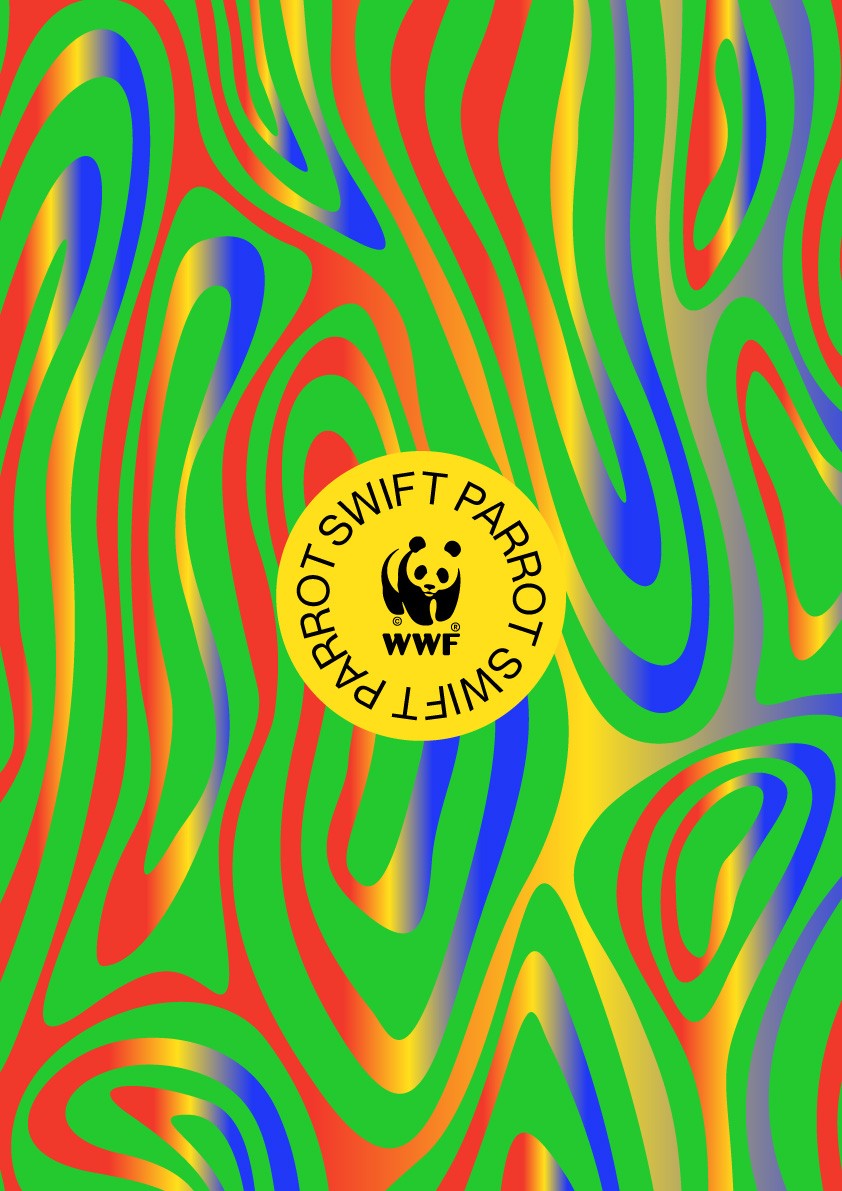
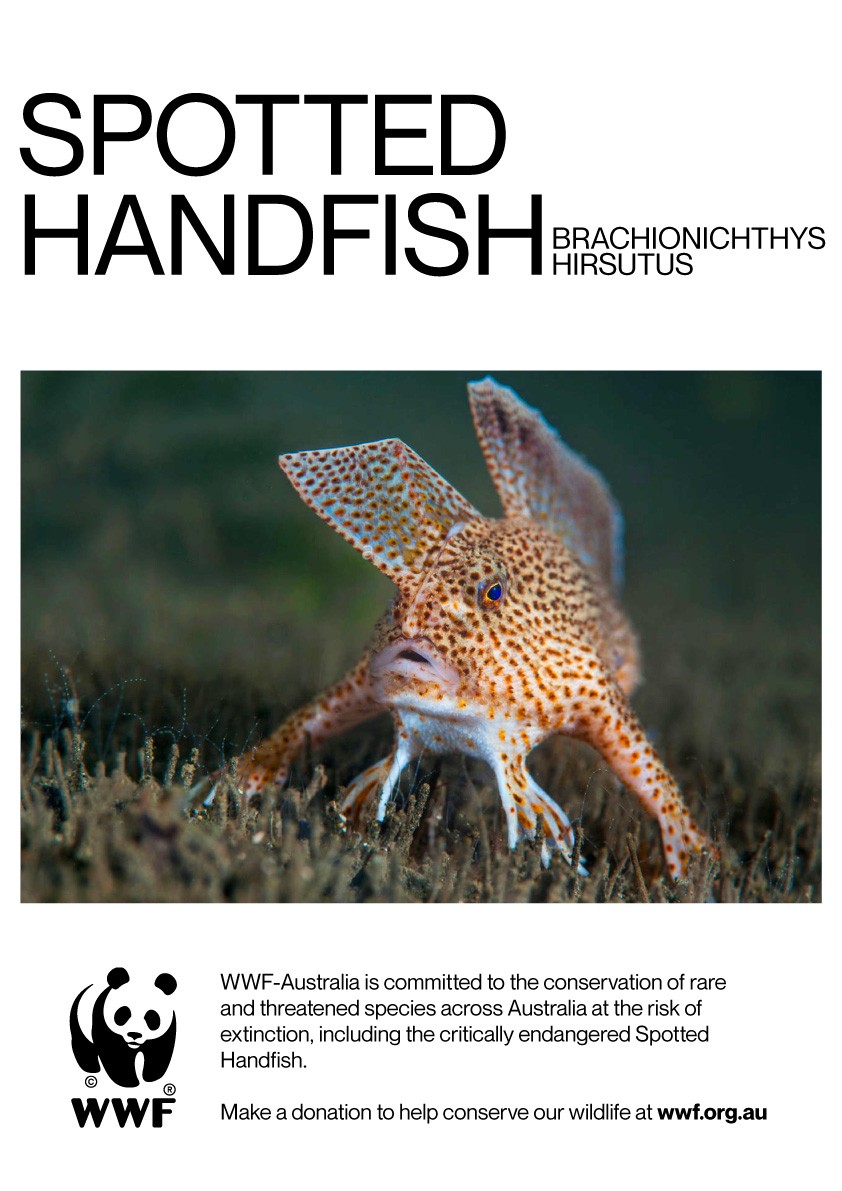
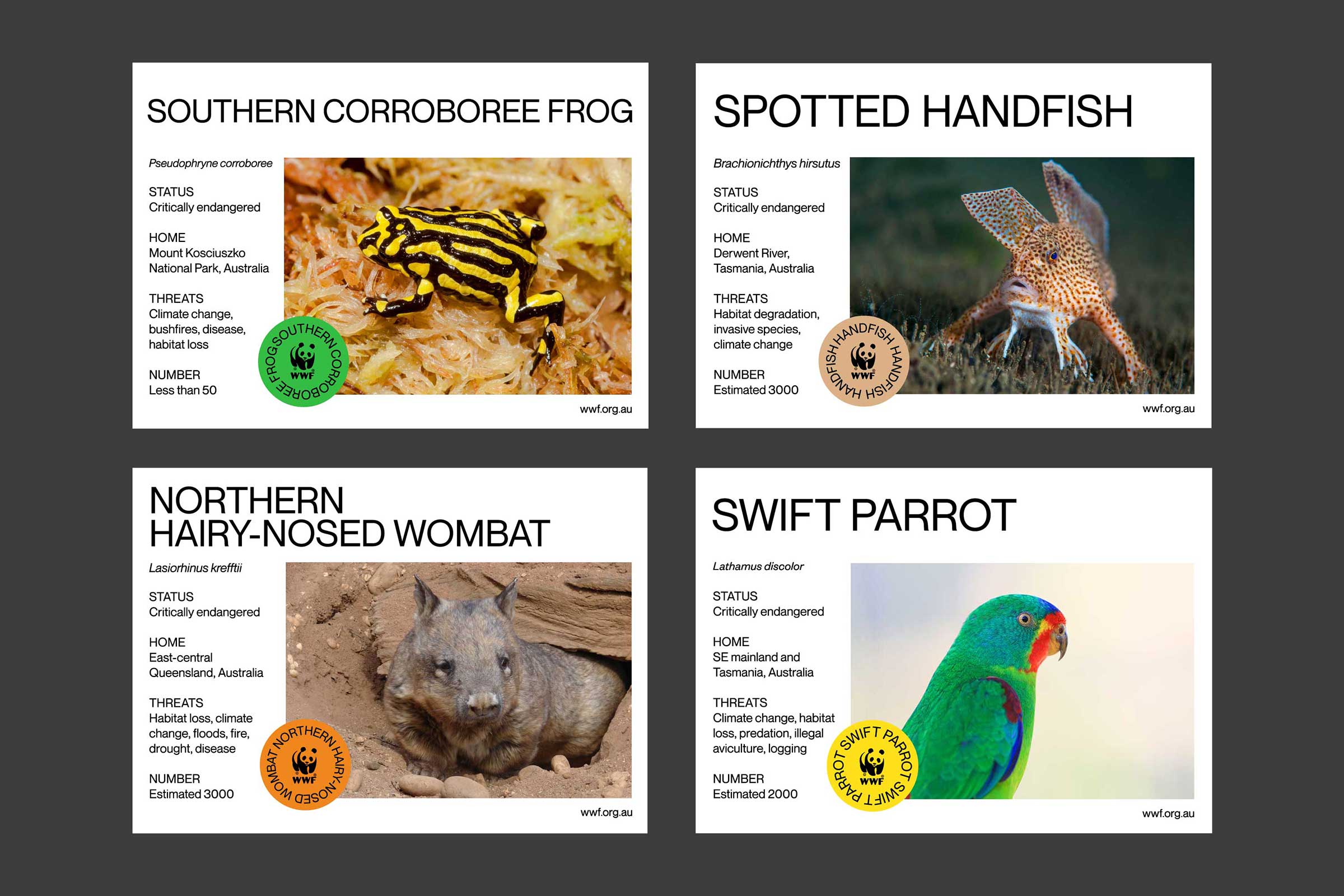
We moved away from conventional conservation imagery and built the campaign around what makes each species worth noticing. Distinctive colours, textures, and patterns became the raw material for a bold visual language that could compete with the clutter of outdoor advertising.
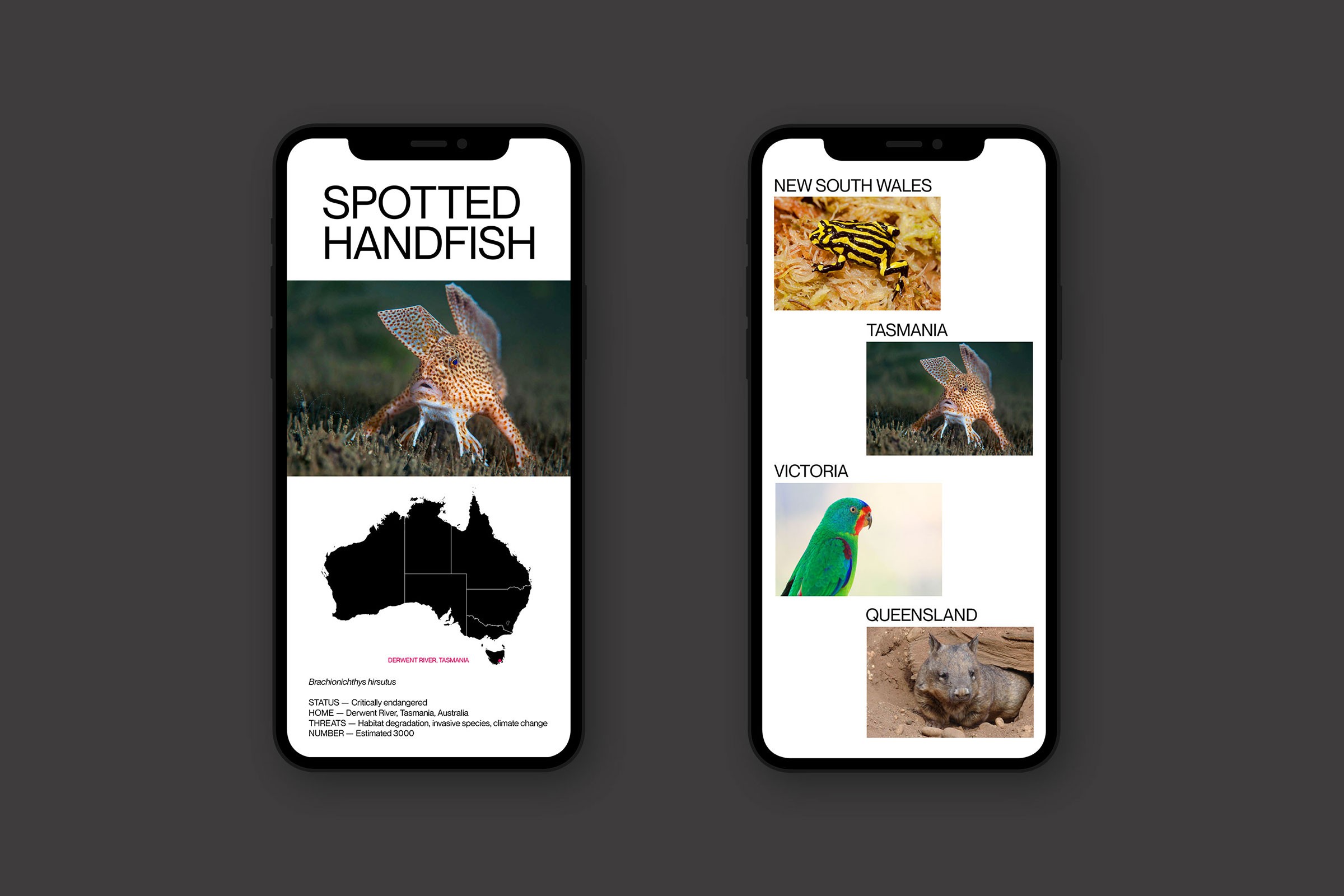
Posters, postcards, and an interactive mobile experience turned those visual cues into graphic representations of each animal, paired with accessible information about their habitat, threats, population, and conservation status. The idea was simple: give species that rarely get attention a visual identity people could recognise and remember.
We moved away from conventional conservation imagery and built the campaign around what makes each species worth noticing. Distinctive colours, textures, and patterns became the raw material for a bold visual language that could compete with the clutter of outdoor advertising.
Posters, postcards, and an interactive mobile experience turned those visual cues into graphic representations of each animal, paired with accessible information about their habitat, threats, population, and conservation status. The idea was simple: give species that rarely get attention a visual identity people could recognise and remember.
We moved away from conventional conservation imagery and built the campaign around what makes each species worth noticing. Distinctive colours, textures, and patterns became the raw material for a bold visual language that could compete with the clutter of outdoor advertising.
Posters, postcards, and an interactive mobile experience turned those visual cues into graphic representations of each animal, paired with accessible information about their habitat, threats, population, and conservation status. The idea was simple: give species that rarely get attention a visual identity people could recognise and remember.
A new way for endangered species
to be recognised and remembered
A new way for endangered species to be recognised and remembered
A new way for endangered species
to be recognised and remembered
The campaign helped shift perceptions and raise visibility for Australia’s most endangered species, especially the Southern Corroboree Frog, whose numbers had sadly dropped significantly after the 2019–20 Black Summer bushfires.
By challenging the conventions of wildlife campaigns, it broadened public engagement and support for species that rarely receive the attention they deserve.
The campaign helped shift perceptions and raise visibility for Australia’s most endangered species, especially the Southern Corroboree Frog, whose numbers had sadly dropped significantly after the 2019–20 Black Summer bushfires.
By challenging the conventions of wildlife campaigns, it broadened public engagement and support for species that rarely receive the attention they deserve.
The campaign helped shift perceptions and raise visibility for Australia’s most endangered species, especially the Southern Corroboree Frog, whose numbers had sadly dropped significantly after the 2019–20 Black Summer bushfires.
By challenging the conventions of wildlife campaigns, it broadened public engagement and support for species that rarely receive the attention they deserve.
Strategic Scope
Campaign Strategy
Campaign Concept Development
Audience Engagement Strategy
Storytelling Framework
Creative Scope
Art Direction
Campaign Identity
Digital Design
Print Design
Interactive Experience Design
Sector
Environment
• Conservation
Photography
Harrison Warne
Animalia
UNSDGs