MEK
Reducing Website Carbon Emissions
Reducing Website Carbon Emissions

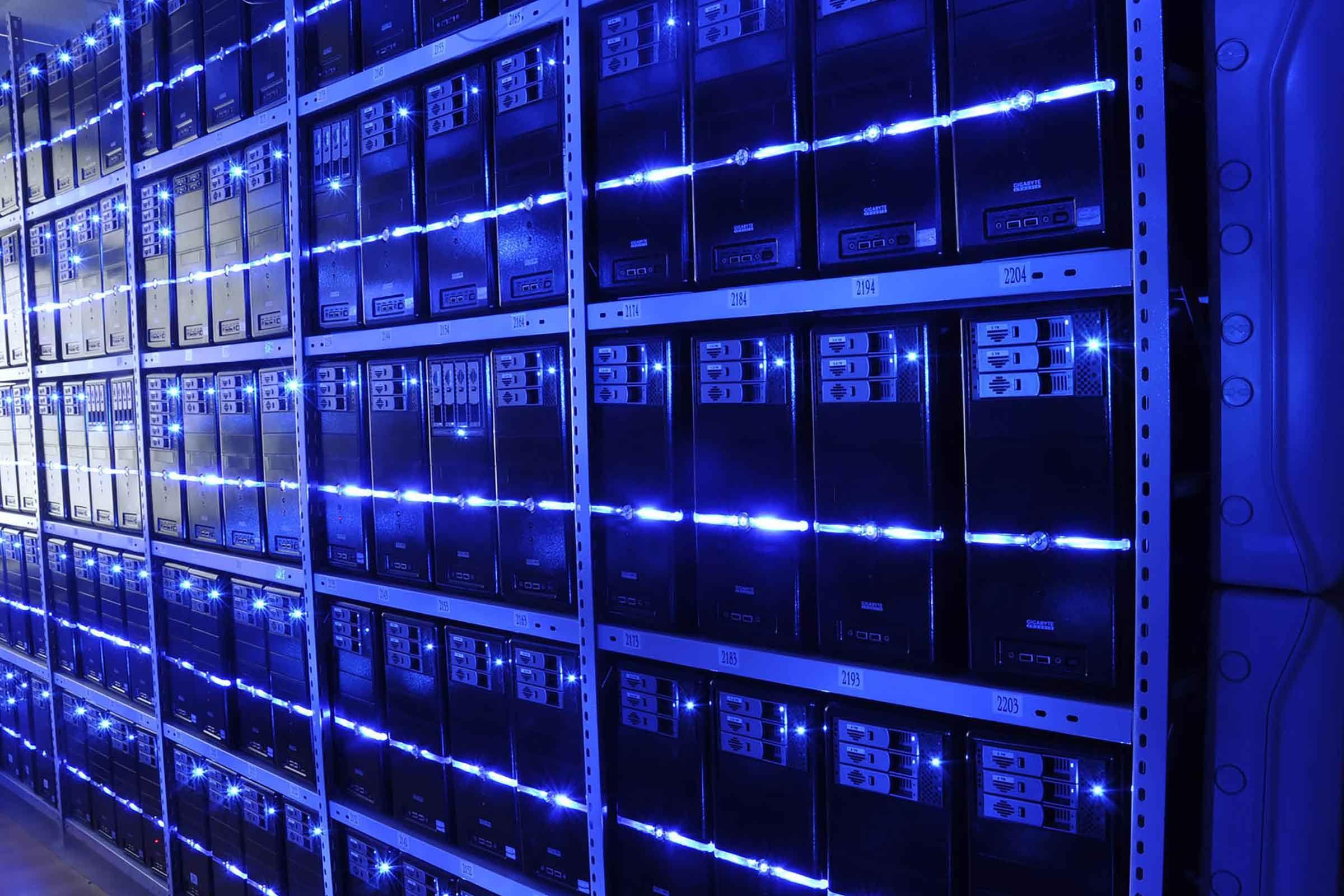
Every website on the internet is hosted on a server, and most of the world's servers are powered by fossil fuels.
In an industry first, MEK redesigned and rebuilt its own website to reduce CO₂ emissions and energy use, cutting overall emissions by 67%.
Every website on the internet is hosted on a server, and most of the world's servers are powered by fossil fuels.
In an industry first, MEK redesigned and rebuilt its own website to reduce CO₂ emissions and energy use, cutting overall emissions by 67%.
Every website on the internet is hosted on a server, and most of the world's servers are powered by fossil fuels.
In an industry first, MEK redesigned and rebuilt its own website to reduce CO₂ emissions and energy use, cutting overall emissions by 67%.
Every website on the internet is hosted on a server, and most of the world's servers are powered by fossil fuels.
In an industry first, MEK redesigned and rebuilt its own website to reduce CO₂ emissions and energy use, cutting overall emissions by 67%.
How do you reduce a website's environmental impact without compromising the design or
user experience?
How do you reduce a website's environmental impact
without compromising the design or user experience?
How do you reduce
a website's
environmental
impact without compromising the design or user experience?
After learning that every website has an environmental cost, we wanted to understand exactly where ours was coming from and how we could fix it.
The challenge became an R&D project (RAD for short): audit every digital asset and interaction, measure its carbon and energy use, test what changed those numbers, and rebuild the site without compromising the design or user experience.
After learning that every website has an environmental cost, we wanted to understand exactly where ours was coming from and how we could fix it.
The challenge became an R&D project (RAD for short): audit every digital asset and interaction, measure its carbon and energy use, test what changed those numbers, and rebuild the site without compromising the design or user experience.
After learning that every website has an environmental cost, we wanted to understand exactly where ours was coming from and how we could fix it.
The challenge became an R&D project (RAD for short): audit every digital asset and interaction, measure its carbon and energy use, test what changed those numbers, and rebuild the site without compromising the design or user experience.
Turning constraint into opportunity
Turning constraint
into opportunity
Turning constraint
into opportunity
Design with constraints. We treated energy and emissions as creative constraints, not technical limitations. Every decision — from the amount of content and imagery to how the site moves and responds — was considered through the lens of energy use.
The result was a different way of designing digital: fewer resources, more intention, less waste.
Design with constraints. We treated energy and emissions as creative constraints, not technical limitations. Every decision — from the amount of content and imagery to how the site moves and responds — was considered through the lens of energy use.
The result was a different way of designing digital: fewer resources, more intention, less waste.
Design with constraints. We treated energy and emissions as creative constraints, not technical limitations. Every decision — from the amount of content and imagery to how the site moves and responds — was considered through the lens of energy use.
The result was a different way of designing digital: fewer resources, more intention, less waste.
We treated energy and emissions as creative constraints, not technical limitations. Every decision — from the amount of content and imagery to how the site moves and responds — was considered through the lens of energy use.
The result was a different way of designing digital: fewer resources, more intention, less waste.

We reduced our website's
carbon emissions by 67%
We reduced our site's carbon emissions by 67%
We reduced our website's carbon emissions by 67%
We reduced
our website's
carbon emissions by 67%
“MEK’s research played an important role in redefining our understanding of environmentally conscious design principles for the digital space. As we took on the challenge of crafting a brand for a non-profit client focused on combating climate change, the insights we discovered within MEK’s research provided a solid foundation for our exploration, prompting us to dig deeper into our own creative process. Thank you MEK team.”
“MEK’s research played an important role in redefining our understanding of environmentally conscious design principles for the digital space. As we took on the challenge of crafting a brand for a non-profit client focused on combating climate change, the insights we discovered within MEK’s research provided a solid foundation for our exploration, prompting us to dig deeper into our own creative process. Thank you MEK team.”
“MEK’s research played an important role in redefining our understanding of environmentally conscious design principles for the digital space. As we took on the challenge of crafting a brand for a non-profit client focused on combating climate change, the insights we discovered within MEK’s research provided a solid foundation for our exploration, prompting us to dig deeper into our own creative process. Thank you MEK team.”
“MEK’s research played an important role in redefining our understanding of environmentally conscious design principles for the digital space. As we took on the challenge of crafting a brand for a non-profit client focused on combating climate change, the insights we discovered within MEK’s research provided a solid foundation for our exploration, prompting us to dig deeper into our own creative process. Thank you MEK team.”
NANCY BUGEJA, CEO, HM GROUP
“MEK’s case study on their own digital impact was refreshing. They’re the first studio I’ve seen that expressed a conscious and public redesign that considered its energy consumption. What was once totally ignored or considered a design constraint is now being celebrated as an opportunity to do better — energising me to do the same.”
“MEK’s case study on their own digital impact was refreshing. They’re the first studio I’ve seen that expressed a conscious and public redesign that considered its energy consumption. What was once totally ignored or considered a design constraint is now being celebrated as an opportunity to do better — energising me to do the same.”
“MEK’s case study on their own digital impact was refreshing. They’re the first studio I’ve seen that expressed a conscious and public redesign that considered its energy consumption. What was once totally ignored or considered a design constraint is now being celebrated as an opportunity to do better — energising me to do the same.”
“MEK’s case study on their own digital impact was refreshing. They’re the first studio I’ve seen that expressed a conscious and public redesign that considered its energy consumption. What was once totally ignored or considered a design constraint is now being celebrated as an opportunity to do better — energising me to do the same.”
CALEB WISE, FOUNDER, ELLIOTT SYSTEMS
Strategic Scope
Digital Strategy
Digital Sustainability Audit
Information Architecture
Content Strategy
Accessibility Review
Creative Scope
UX/UI Design
Digital Design System
Web Design & Development
Creative Direction
Sectors
Environment
• Sustainable Design
Technology
• Digital Decarbonisation
• Digital Infrastructure
Culture
• Design Systems
• Behaviour Change
UNSDGs