THE GREEN DOT
Symbolising a Sustainable Future
Symbolising a Sustainable Future
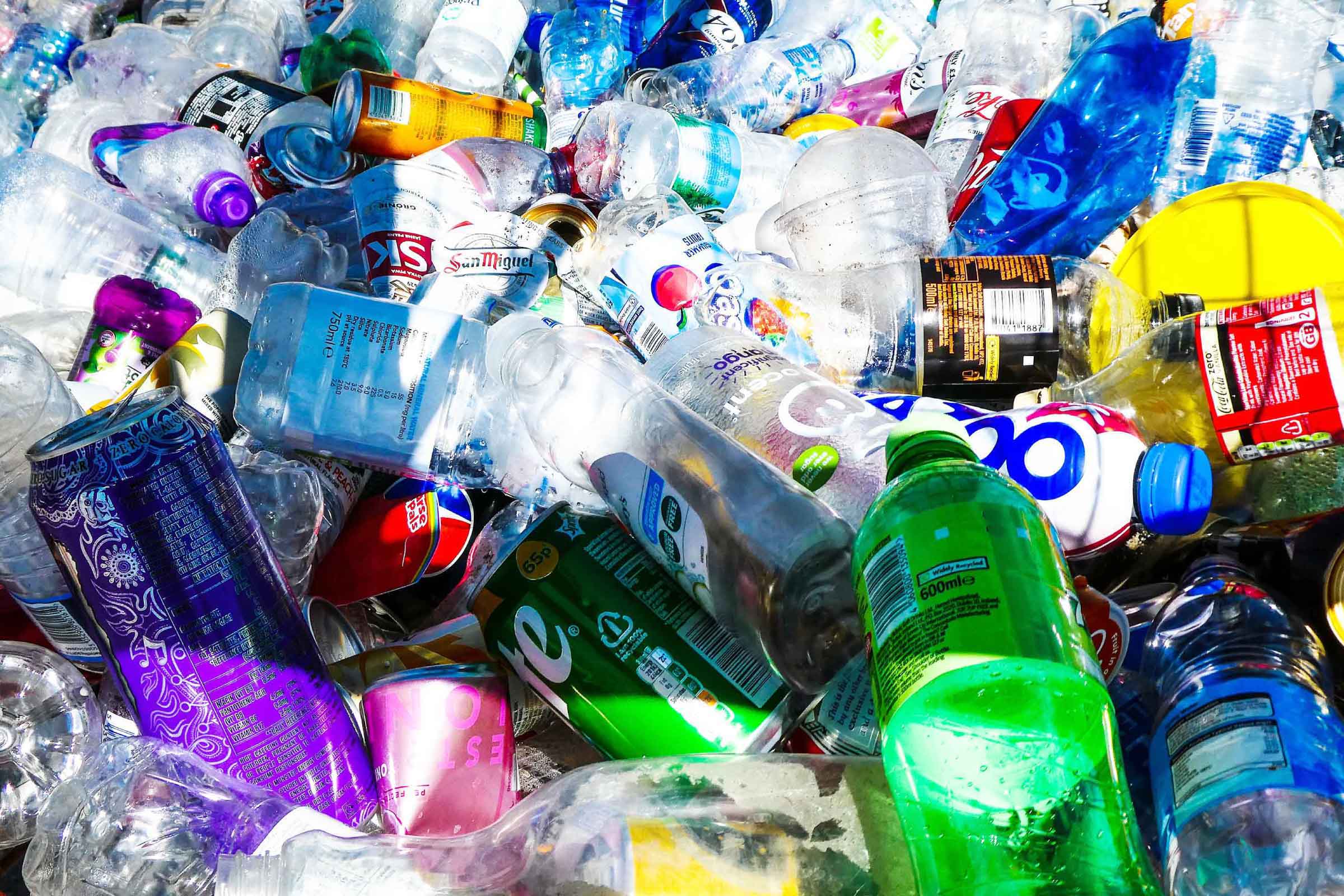
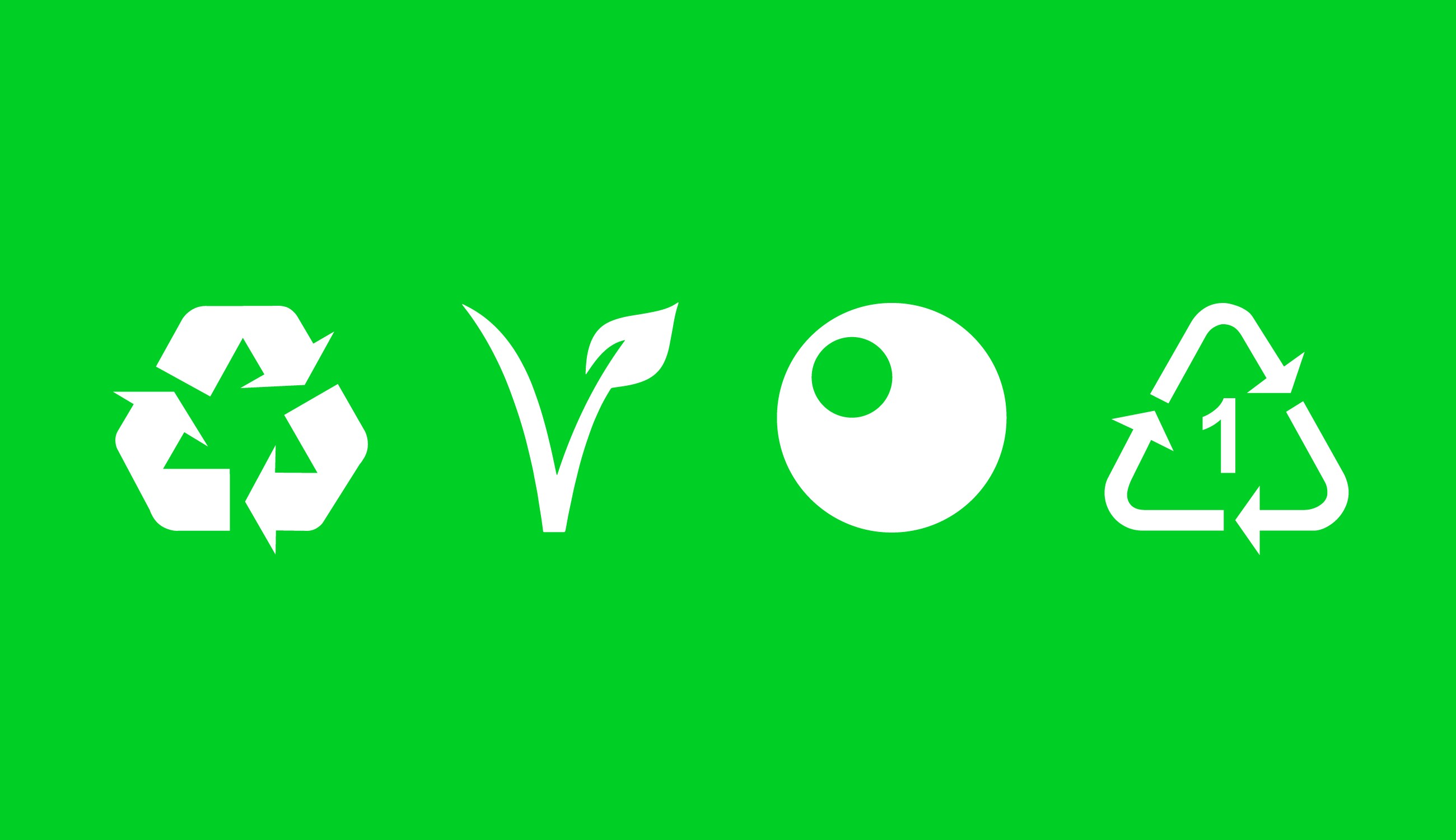
The symbol that says “recycle” doesn't actually mean “recycle”.
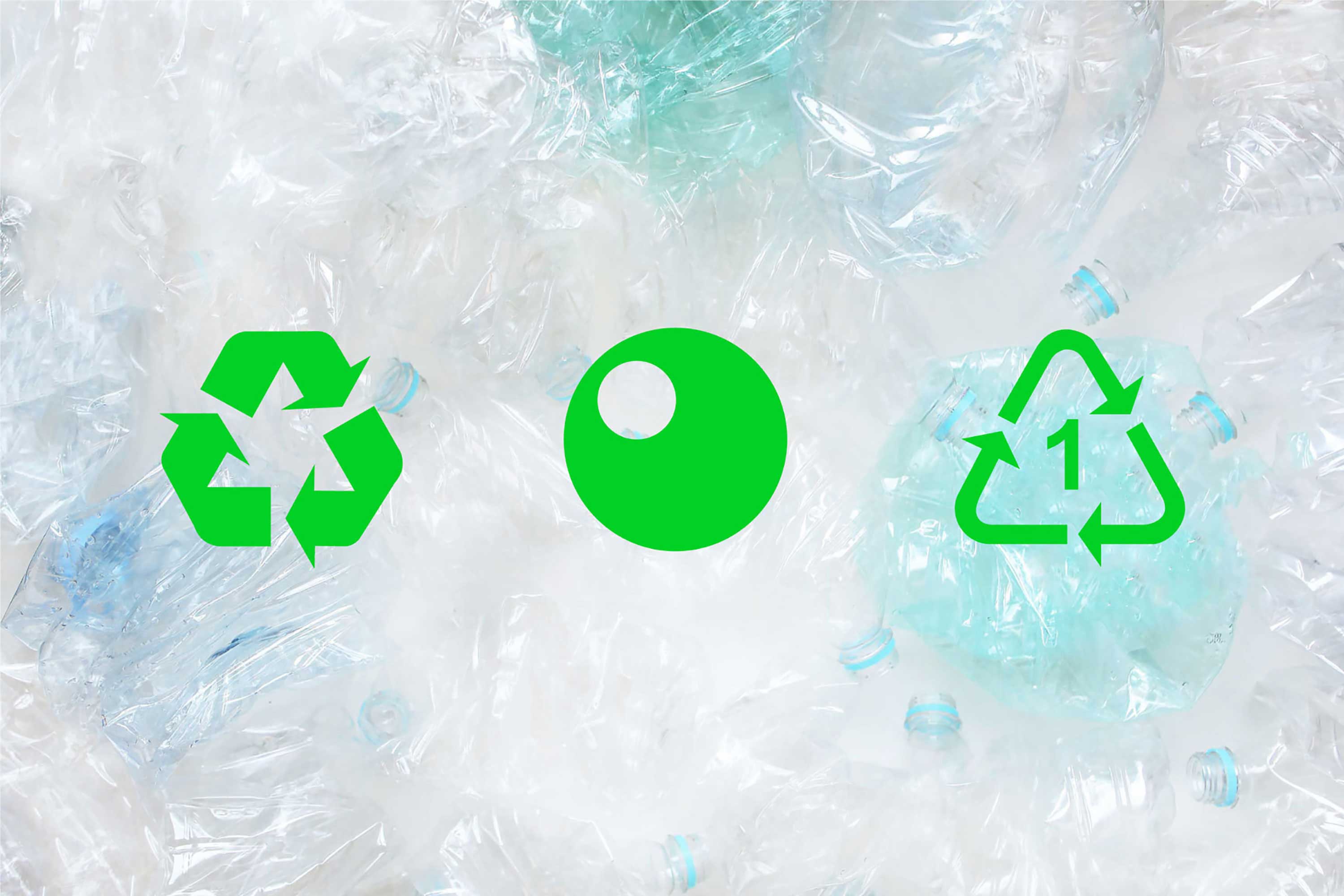
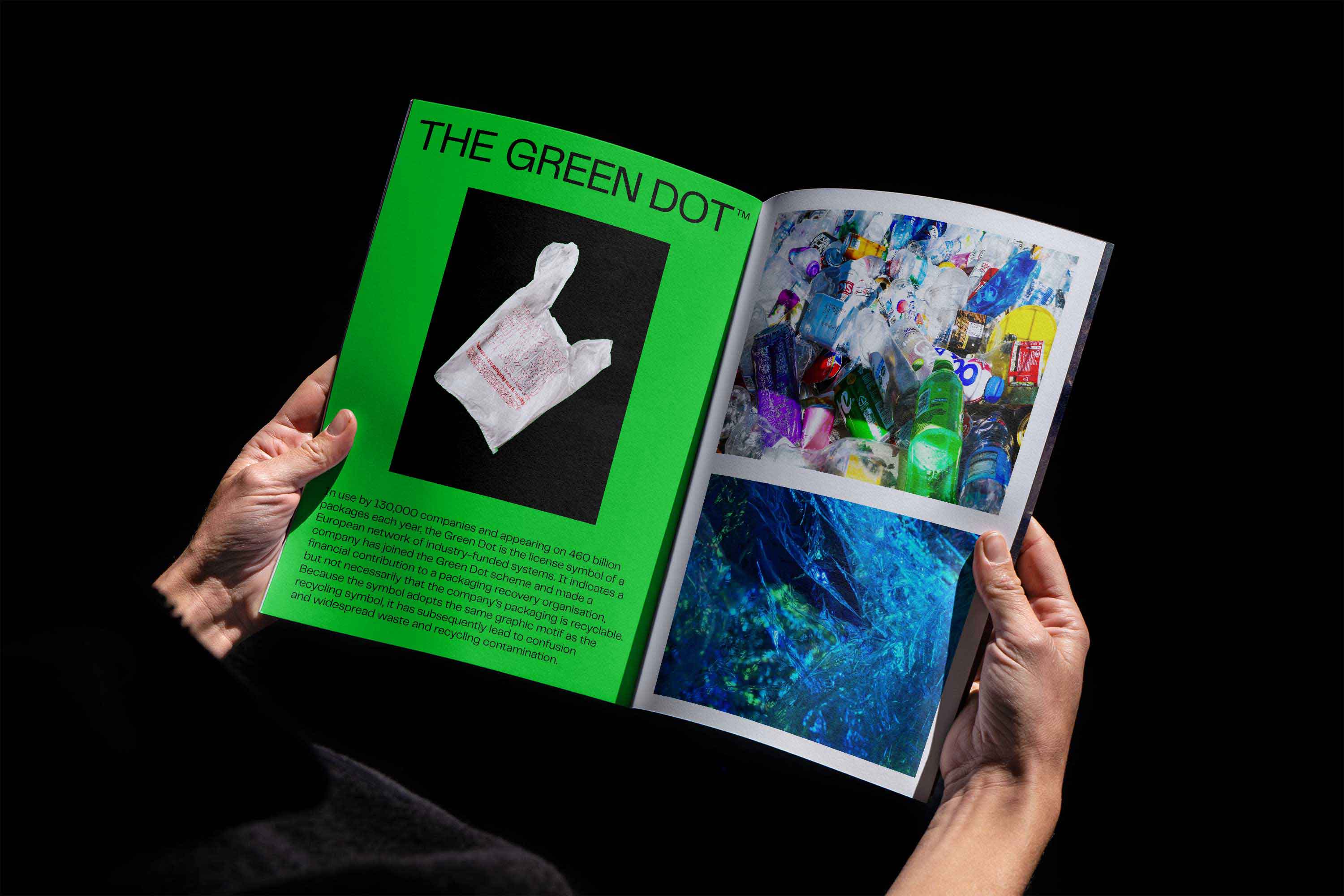
Only 9% of plastic ever produced has been recycled, yet the Green Dot's resemblance to the universal recycling symbol has led millions of people to believe packaging carrying it is recyclable.
MEK redesigned the symbol to break that association, creating a clearer visual language for communicating responsibility around packaging and waste.
The symbol that says “recycle” doesn't actually mean “recycle”.
Only 9% of plastic ever produced has been recycled, yet the Green Dot's resemblance to the universal recycling symbol has led millions of people to believe packaging carrying it is recyclable.
MEK redesigned the symbol to break that association, creating a clearer visual language for communicating responsibility around packaging and waste.
The symbol that says “recycle” doesn't actually mean “recycle”.
Only 9% of plastic ever produced has been recycled, yet the Green Dot's resemblance to the universal recycling symbol has led millions of people to believe packaging carrying it is recyclable.
MEK redesigned the symbol to break that association, creating a clearer visual language for communicating responsibility around packaging and waste.
The symbol that says “recycle” doesn't actually mean “recycle”.
Only 9% of plastic ever produced has been recycled, yet the Green Dot's resemblance to the universal recycling symbol has led millions of people to believe packaging carrying it is recyclable.
MEK redesigned the symbol to break that association, creating a clearer visual language for communicating responsibility around packaging and waste.
How do you change what the
world thinks a symbol means?
How do you change what the world thinks
a symbol means?
The Green Dot appears on 460 billion packages every year, but its resemblance to the universal recycling symbol has created widespread confusion about what it actually means.
The challenge was to redesign the symbol so its meaning was unmistakable, creating enough distinction from recycling tropes to stop people interpreting it as a recycling claim, while working at enormous scale across packaging and other applications.
The Green Dot appears on 460 billion packages every year, but its resemblance to the universal recycling symbol has created widespread confusion about what it actually means.
The challenge was to redesign the symbol so its meaning was unmistakable, creating enough distinction from recycling tropes to stop people interpreting it as a recycling claim, while working at enormous scale across packaging and other applications.
The Green Dot appears on 460 billion packages every year, but its resemblance to the universal recycling symbol has created widespread confusion about what it actually means.
The challenge was to redesign the symbol so its meaning was unmistakable, creating enough distinction from recycling tropes to stop people interpreting it as a recycling claim, while working at enormous scale across packaging and other applications.
Revival is an award-winning building
and design practice transforming construction waste destined for landfill into reusable materials. As the company began disrupting its sector,
it needed to clearly communicate its mission and environmental impact beyond traditional construction industry norms and messaging.
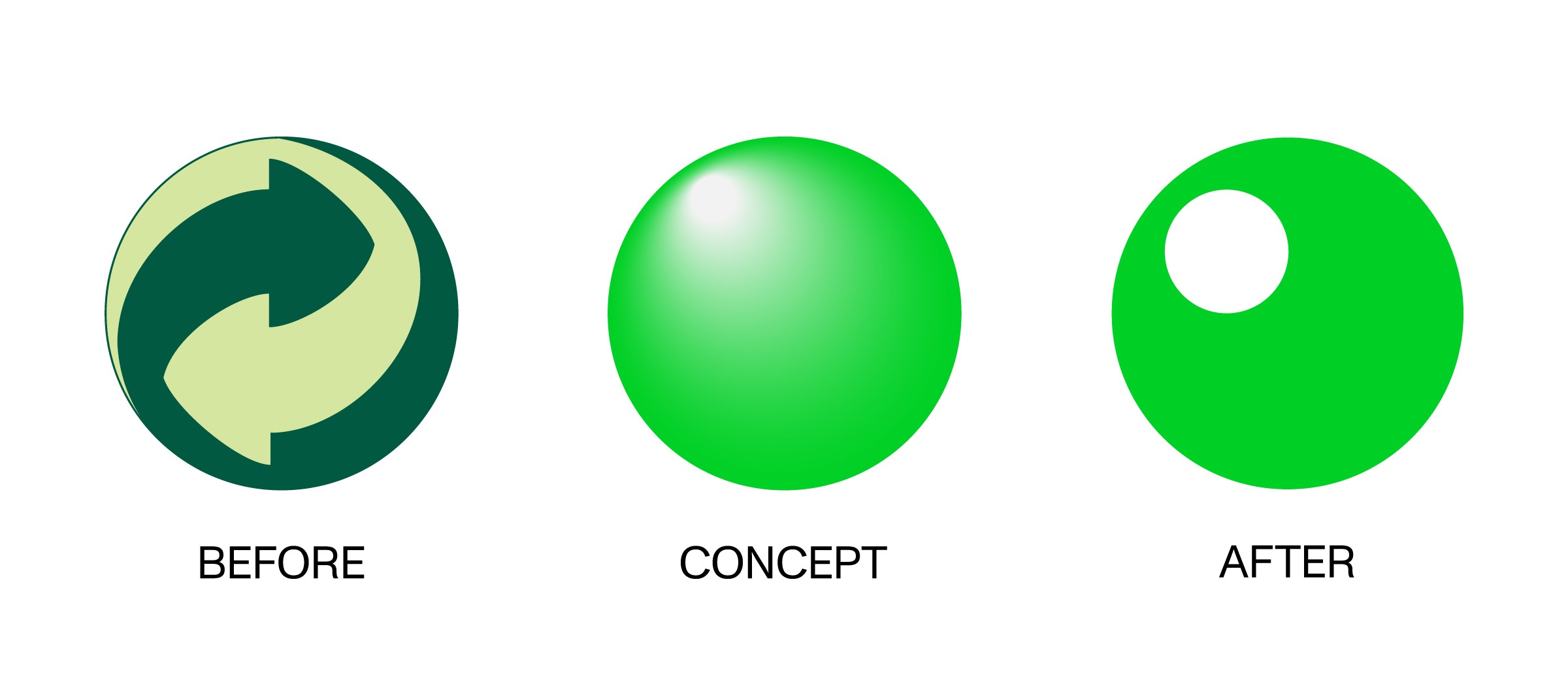

Responsibility, not recycling.
Responsibility,
not recycling
Responsibility,
not recycling
We reframed the Green Dot around what it actually represents: producer responsibility for the packaging they put into circulation.
The brand idea separates the symbol from recycling and gives it a clearer role. This signals responsibility at a glance without asking people to decode what it means.
We reframed the Green Dot around what it actually represents: producer responsibility for the packaging they put into circulation.
The brand idea separates the symbol from recycling and gives it a clearer role. This signals responsibility at a glance without asking people to decode what it means.
We reframed the Green Dot around what it actually represents: producer responsibility for the packaging they put into circulation.
The brand idea separates the symbol from recycling and gives it a clearer role. This signals responsibility at a glance without asking people to decode what it means.
The strategy centred on eliminating public confusion and enabling more
more responsible behaviour at scale.
By disconnecting the symbol from misleading recycling cues, we laid the foundation for clearer communication
around waste management. The design features two distinct circles: green representing Earth, and a white circle mapping Europe where the symbol is primarily used. This approach created
an intuitive, scalable icon that works across all materials and all sizes, from packaging to OOH advertising.
Demonstrating that strategic design
can change behaviours to reduce
environmental harm.

Breaking the association
with recycling
Breaking the association
with recycling
The strategy centred on eliminating public confusion and enabling more responsible behaviour at scale. By disconnecting the symbol from misleading recycling cues, we laid the foundation for clearer communication around waste management.
The design features two distinct circles: green representing Earth, and a white circle mapping Europe where the symbol is primarily used. This approach created an intuitive, scalable icon that works across all materials and all sizes, from packaging to OOH advertising.
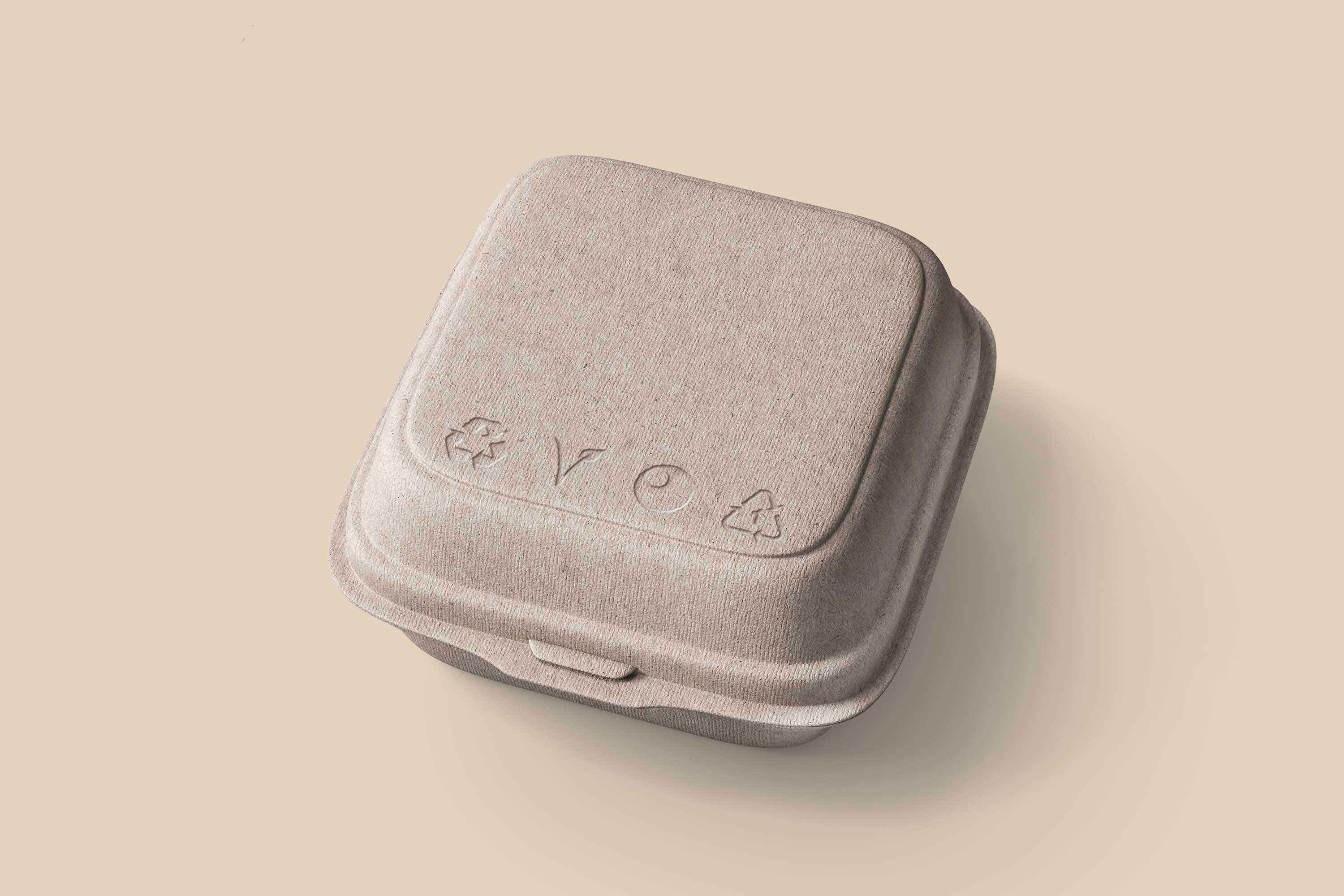
Changing the symbol from two colours to one where the white can be transparent on packaging also significantly reduces the energy and resources that come from standard printing processes.
The strategy centred on eliminating public confusion and enabling more responsible behaviour at scale. By disconnecting the symbol from misleading recycling cues, we laid the foundation for clearer communication around waste management.
The design features two distinct circles: green representing Earth, and a white circle mapping Europe where the symbol is primarily used. This approach created an intuitive, scalable icon that works across all materials and all sizes, from packaging to OOH advertising.
Changing the symbol from two colours to one where the white can be transparent on packaging also significantly reduces the energy and resources that come from standard printing processes.
The strategy centred on eliminating public confusion and enabling more responsible behaviour at scale. By disconnecting the symbol from misleading recycling cues, we laid the foundation for clearer communication around waste management.
The design features two distinct circles: green representing Earth, and a white circle mapping Europe where the symbol is primarily used. This approach created an intuitive, scalable icon that works across all materials and all sizes, from packaging to OOH advertising.
Changing the symbol from two colours to one where the white can be transparent on packaging also significantly reduces the energy and resources that come from standard printing processes.
Changing behaviour at scale
Changing behaviour at scale
The redesigned Green Dot gives producer responsibility a symbol that can no longer be mistaken for recycling.
It creates a clearer distinction on the billions of packages that carry the mark, while the simplified one-colour design makes it more efficient to reproduce at scale.
The redesigned Green Dot gives producer responsibility a symbol that can no longer be mistaken for recycling.
It creates a clearer distinction on the billions of packages that carry the mark, while the simplified one-colour design makes it more efficient to reproduce at scale.
The redesigned Green Dot gives producer responsibility a symbol that can no longer be mistaken for recycling.
It creates a clearer distinction on the billions of packages that carry the mark, while the simplified one-colour design makes it more efficient to reproduce at scale.
Strategic Scope
Brand Strategy
Positioning
Creative Scope
Brand Identity
Creative Direction
Campaign Concept
Brand Applications
Sector
Environment
• Circular Economy
• Waste Management
Project
UNSDGs